
Let’s talk about something that’s often on the minds of parents expecting multiples: the NICU, or Neonatal Intensive Care Unit. It's a sensitive topic, but understanding what to expect can ease your worries and help you feel more prepared. While not all twins or multiples require NICU time, it's more common than with singleton pregnancies. Knowing why, and what you can do, can make a huge difference.
Here's a little secret from one mom to another: Start packing your hospital bag early! Seriously, even just a small "go-bag" packed by week 28 can take a load off your mind. Include things like a comfy robe, your favorite toiletries, and snacks. Knowing you have those essentials ready will free you up to focus on the bigger picture.
Understanding the NICU and Twin Pregnancies
The NICU is a specialized unit in a hospital that provides intensive care for newborn babies. Premature babies, those with medical conditions, or those who experience difficulties during birth often require NICU care. Because twins and multiples are often born earlier and at lower birth weights than singletons, they have a higher chance of needing some time in the NICU. This isn't something to fear, but rather to understand. Think of it as a safety net, a place where highly skilled medical professionals can provide the extra support your little ones might need to thrive.
It's important to remember that a NICU stay isn't a reflection of your parenting or your pregnancy. It's simply a matter of biology. Premature babies, for instance, may need help with breathing, feeding, or regulating their body temperature – all things the NICU is expertly equipped to handle.
Why are twins and multiples more likely to need NICU care?
There are several reasons why twins and higher-order multiples have a greater chance of needing NICU support: Prematurity: Twin pregnancies, on average, last about 36 weeks, compared to 40 weeks for singleton pregnancies. This means twins are more likely to be born prematurely, which can lead to underdeveloped organs and systems. Low Birth Weight: Prematurity often goes hand-in-hand with low birth weight. Babies born weighing less than 5.5 pounds may require extra care to maintain their body temperature, feed properly, and fight off infections. Twin-Specific Complications: Conditions like Twin-Twin Transfusion Syndrome (TTTS) can occur in identical twin pregnancies and may necessitate early delivery and NICU care. Other complications like selective intrauterine growth restriction (s IUGR) can also lead to one or both twins needing extra support. Increased Risk of Cesarean Delivery: While vaginal delivery is possible with twins, cesarean sections are more common. Babies born via C-section may need a brief period of observation in the NICU.
What should I expect if my twins need NICU care?
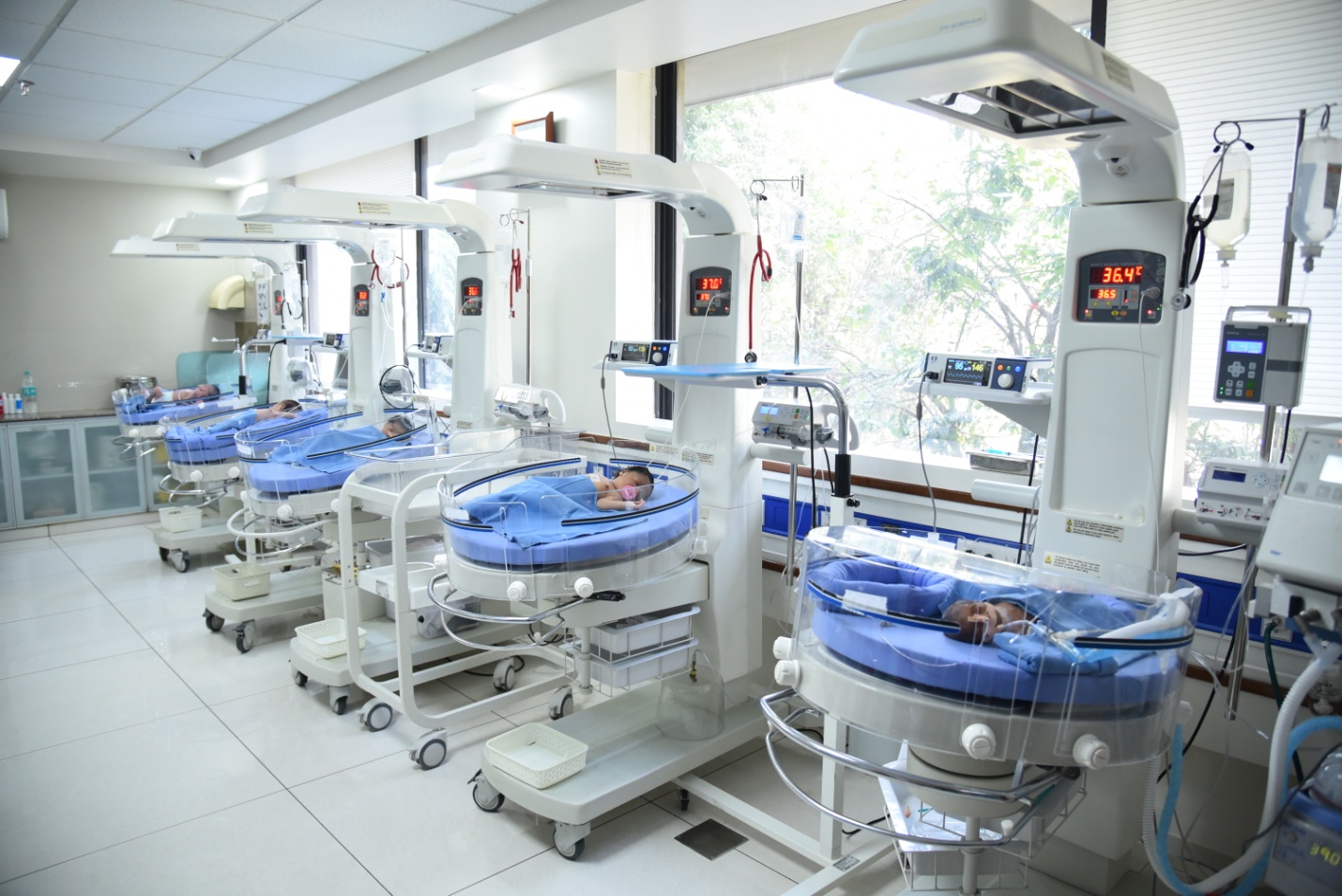
Walking into a NICU for the first time can be overwhelming. There are beeping monitors, incubators, and a lot of medical personnel. It's a highly specialized environment, but it's also a place of incredible dedication and care. Here’s what you can generally expect: Assessment and Monitoring: Your babies will be thoroughly assessed and continuously monitored. This includes vital signs like heart rate, breathing, and oxygen levels. Incubators: Premature babies often need help regulating their body temperature, and incubators provide a warm, controlled environment. Feeding Support: Depending on their gestational age and ability to suck and swallow, your twins may need help with feeding. This could involve feeding tubes, intravenous nutrition, or bottle-feeding with specialized formulas or breast milk. Respiratory Support: Some babies may need assistance with breathing. This can range from supplemental oxygen delivered through a nasal cannula to more advanced ventilation. Medical Interventions: The NICU team will address any specific medical needs your babies may have, such as treating infections, managing jaundice, or addressing other complications. Parent Involvement: You are a vital part of your babies' care team! The NICU staff will encourage you to be involved in your babies' care as much as possible, including holding them (kangaroo care), feeding them (if possible), and providing comfort.
Preparing for the Possibility of a NICU Stay
While you can't predict whether your twins will need NICU care, there are steps you can take to prepare yourself and your partner for the possibility.
Educate Yourself: Learning about the NICU environment, common conditions treated there, and the types of equipment used can help reduce anxiety and make you feel more informed. Take a Hospital Tour: Many hospitals offer tours of their NICU, which can help you familiarize yourself with the space and meet some of the staff. Talk to Your Doctor: Discuss your concerns and questions with your doctor or midwife. They can provide you with personalized information based on your specific situation. Prepare for Breastfeeding (or Pumping): Breast milk is especially beneficial for premature babies. Talk to a lactation consultant about pumping and storing breast milk in case your babies are unable to nurse initially. Even if you plan to formula feed, understanding the benefits of colostrum and early breast milk can be helpful. Build a Support System: Having a strong support system of family, friends, or other parents of multiples can make a huge difference. They can offer emotional support, practical assistance, and a listening ear. Online support groups can also be a valuable resource. Pack a NICU Bag: In addition to your regular hospital bag, consider packing a separate bag specifically for the NICU. This might include items like a nursing pillow, a comfortable blanket, a journal to record your babies' progress, and small personal items to make you feel more at home. Practice Self-Care: Taking care of yourself is crucial, especially during a stressful time. Make sure to get enough rest, eat nutritious meals, and find healthy ways to cope with stress, such as exercise, meditation, or spending time in nature. Learn About Kangaroo Care: Kangaroo care (skin-to-skin contact) has been shown to have numerous benefits for premature babies, including improved heart rate, breathing, and sleep. Ask your NICU team about practicing kangaroo care with your twins.
How can I prepare for an earlier delivery?
Preparing for an earlier delivery starts with understanding the signs of preterm labor. Familiarize yourself with symptoms like regular contractions, back pain, pelvic pressure, and changes in vaginal discharge. Contact your doctor or midwife immediately if you experience any of these signs. Additionally, make sure you've discussed your birth plan with your healthcare provider, including your preferences for pain management and delivery methods. Having these conversations ahead of time can help ensure that your wishes are respected, even if things don't go exactly as planned. Attending a childbirth class specifically designed for parents of multiples can also be invaluable. These classes often cover topics like preterm labor, NICU care, and breastfeeding twins, providing you with the knowledge and skills you need to navigate the challenges of a multiple pregnancy.
Do twin pregnancies always mean more symptoms?
While notalways, many women carrying twins report experiencing more pronounced pregnancy symptoms compared to those carrying a singleton. This can include more severe nausea and vomiting (morning sickness), increased fatigue, and greater back pain. The higher levels of hormones associated with twin pregnancies are often responsible for these amplified symptoms. However, it's important to remember that every pregnancy is different, and some women carrying twins may have relatively mild symptoms, while others carrying singletons may experience significant discomfort. The best approach is to communicate openly with your healthcare provider about any concerns or discomfort you're experiencing. They can offer personalized advice and strategies to manage your symptoms and ensure a healthy pregnancy.
The NICU Journey: A Marathon, Not a Sprint
The NICU journey can be emotionally challenging. It's okay to feel a range of emotions, from anxiety and sadness to hope and joy. Remember that you are not alone, and there are resources available to support you.
Connect with Other NICU Parents: Sharing your experiences with other parents who have been through the NICU can be incredibly helpful. They can offer understanding, encouragement, and practical advice. Ask Questions: Don't hesitate to ask the NICU staff questions about your babies' care. They are there to support you and want you to feel informed and empowered. Trust Your Instincts: You know your babies best. If you have concerns about their care, speak up. Celebrate Small Victories: The NICU journey is often marked by small milestones. Celebrate each achievement, no matter how small it may seem. Be Patient:The NICU stay can be long and unpredictable. Be patient with yourself, your babies, and the process.
Remember that the NICU is a temporary stop on your parenting journey. Your twins are strong, resilient, and loved. With the support of the NICU team and your loved ones, you will get through this, and you'll be bringing your little ones home before you know it. Believe in yourself, believe in your babies, and know that you've got this, mama.
Posting Komentar untuk "NICU prep: what parents of twins should understand"